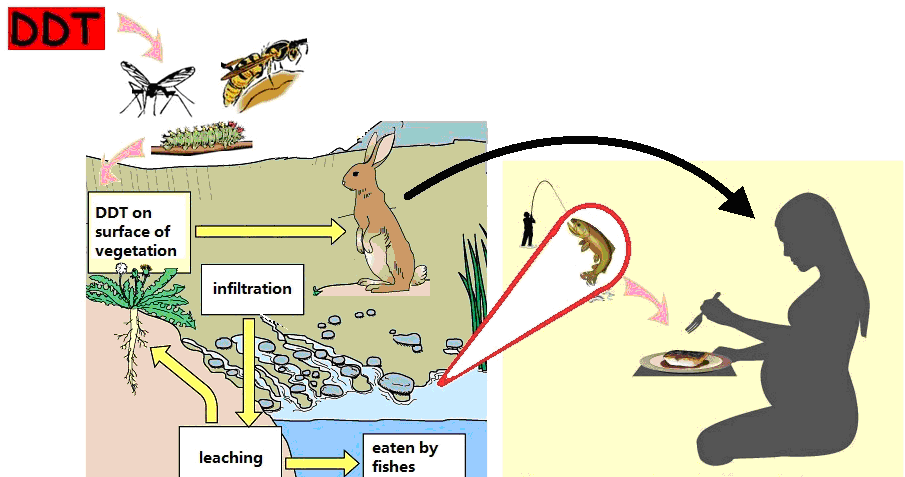
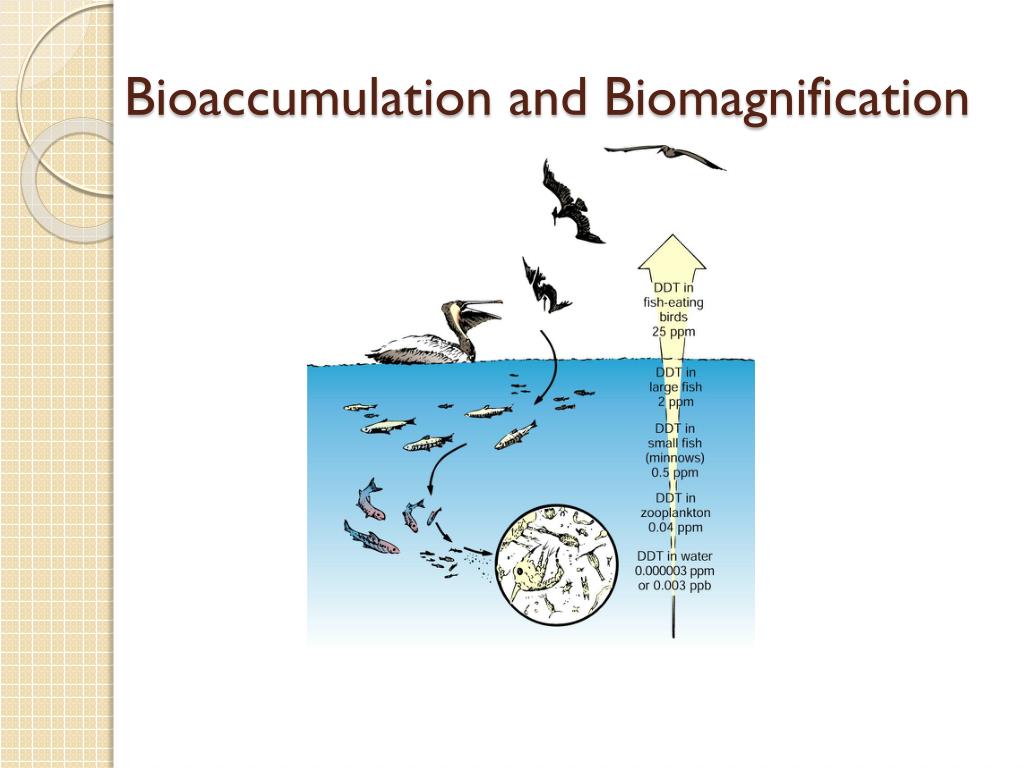
Food webs in food webs the micromacro interplay of multilayered Biology Diagrams Bioaccumulation is the most frequently used concept in ecological risk assessments for determining the range of pollutant dissemination within food webs. Biomagnification bioaccumulation in the primary producer (or prey) and the subsequent trophic transfer of a contaminant may lead to biomagnification at high trophic levels.

Bioaccumulation and biomagnification are two different processes that often occur in tandem with one another.Bioaccumulation is the process by which toxins enter the food web by building up in individual organisms, while biomagnification is the process by which toxins are passed from one trophic level to the next (and thereby increase in concentration) within a food web.
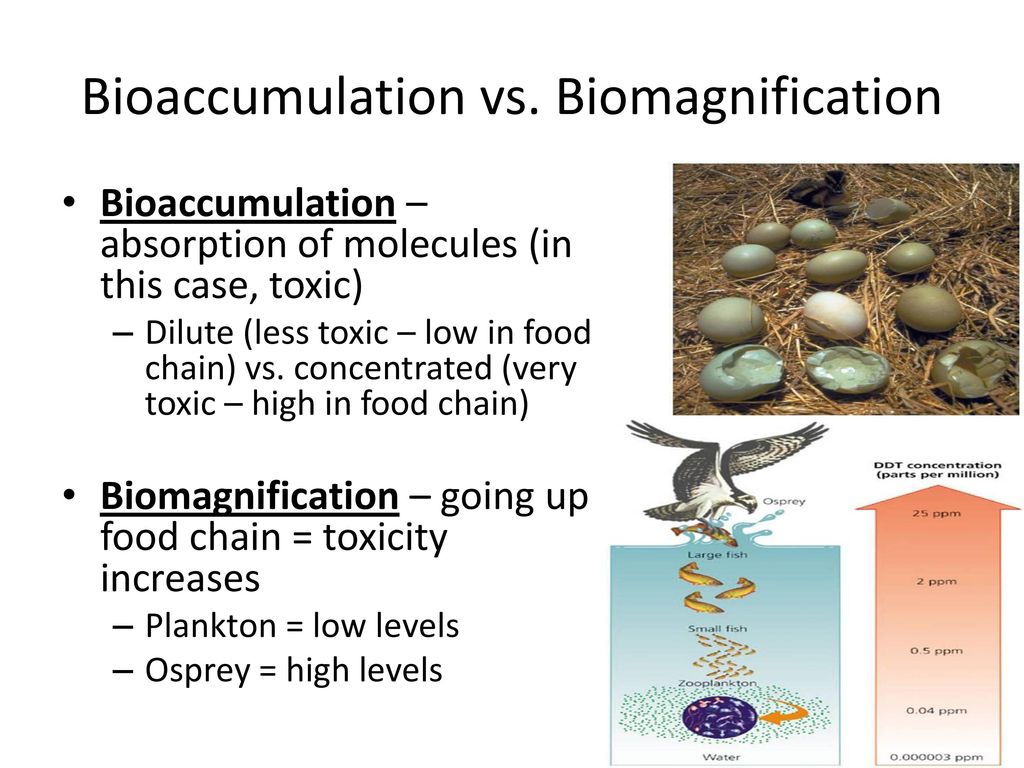
Specific Biomagnification of Persistent Organic ... Biology Diagrams
Food web bioaccumulation models have significant advantages in accurately predicting the bioaccumulation efficiencies and patterns of pollutants under varying environmental conditions, multiple pressures and dynamic food web interactions (McLeod et al., 2016; Nilsen et al., 2019). In many cases, it is necessary to couple the final results of

Studies in real food webs demonstrated that bioaccumulation in food webs is not solely a lipid-water partitioning process. Dietary accumulation or biomagnification can cause additional bioaccumulation, resulting in an increase in chemical concentration with increasing trophic level in food webs ( 11 ).
Ecological effects of micro/nanoplastics on plant Biology Diagrams
Consequently, bioaccumulation, and in particular biomagnification of MPs and associated chemical additives, are often inferred to occur in marine food webs. Presented here are the results of a systematic literature review to examine whether current, published findings support the premise that MPs and associated chemical additives bioaccumulate 2.1. Sample Site and the T1 Food Web. The analysis of bioaccumulation, biomagnification, and trophic transfer of persistent pollutants through a river food web focused on a 20 m stretch downstream of the Cynon Valley Wastewater Treatment Works (WwTWs) discharge into the River Taff, South Wales (51°37′41.8″ N, 3°19′45.4″ W) (T1; Figure
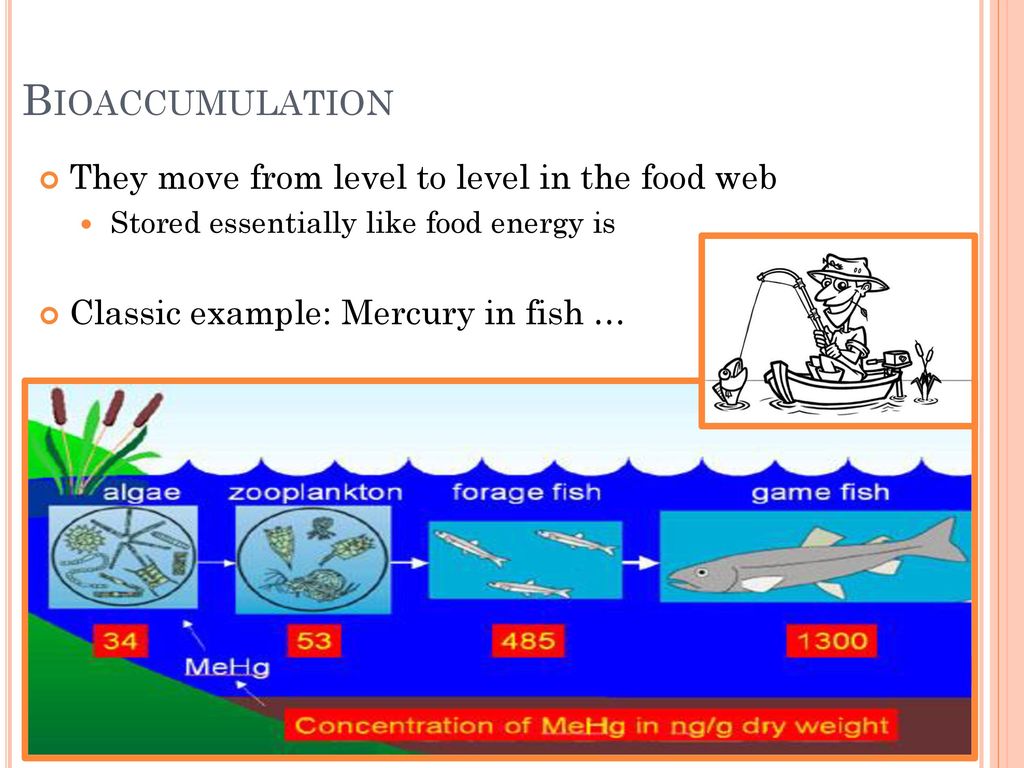
As the ability to quantify contaminant uptake and clearance from individual organisms improves and modeling efforts are devoted to describing transport in increasingly complex food webs, including vegetation, there is a need to establish a consistent framework within which contaminant sources and transfer in food webs can be characterized. It is shown that a convenient and general framework is
Biological Traits and the Transfer of Persistent Organic Pollutants ... Biology Diagrams
Recently, a multibox food-web bioaccumulation model developed by Kim et al. (2016) showed that sampling designs that ignore the presence of concentration gradients might cause systematically biased and misleading TMF values for chemicals that are subject to a low degree of biomagnification or trophic dilution.